
Radon FAQs
Radon Frequently Asked Questions
Radon is a naturally occurring radioactive gas that can pose significant health risks when present in elevated levels within homes and buildings. Below are some frequently asked questions to help you understand radon and how to protect your home.
What is radon?
Radon is a colorless, odorless, and tasteless radioactive gas produced by the natural decay of uranium in soil, rock, and water. It can enter homes through cracks and openings in the foundation, accumulating to dangerous levels indoors.
Why is radon a concern?
Exposure to high levels of radon increases the risk of lung cancer. In fact, radon is the second leading cause of lung cancer in the United States, responsible for approximately 21,000 deaths annually. The risk is higher for smokers exposed to elevated radon levels.
How does radon enter a home?
Radon seeps into homes through:
- Cracks in solid floors and walls
- Construction joints
- Gaps around service pipes
- Cavities inside walls
- The water supply, particularly from wells
The gas moves from the ground into the air and can accumulate to high levels in enclosed spaces.
How can I test my home for radon?
Testing is the only way to determine radon levels in your home. Short-term and long-term test kits are available for homeowners. It’s recommended to hire a qualified radon professional to conduct the testing for accurate results and appropriate recommendations.
The #1 Remediation & Restoration Team in Southern New Hampshire
Why Choose Us?
Family-Owned & Operated
As a family-owned and operated business, we bring a personal touch to every project, ensuring your home is treated with the care it deserves.
Over 30 Years of Excellence
With over three decades of experience, we have the tools and knowledge needed to help you recover from any environmental disaster you encounter.
Cutting-Edge Solutions
We use modern remediation techniques and equipment to guarantee efficiency and an effective resolution to your environmental concerns.
Your Wellbeing Comes First
Your health and safety are our top priority. We provide free estimates and tailor our services to meet the unique needs of your home.
What are acceptable radon levels?
The U.S. Environmental Protection Agency (EPA) recommends taking action to reduce radon levels if the concentration is 4.0 picocuries per liter (pCi/L) or higher. However, since any radon exposure carries some risk, even levels below 4.0 pCi/L can pose a health risk, and in many cases, can be reduced.
How can radon levels be reduced in existing homes?
Radon mitigation methods include:
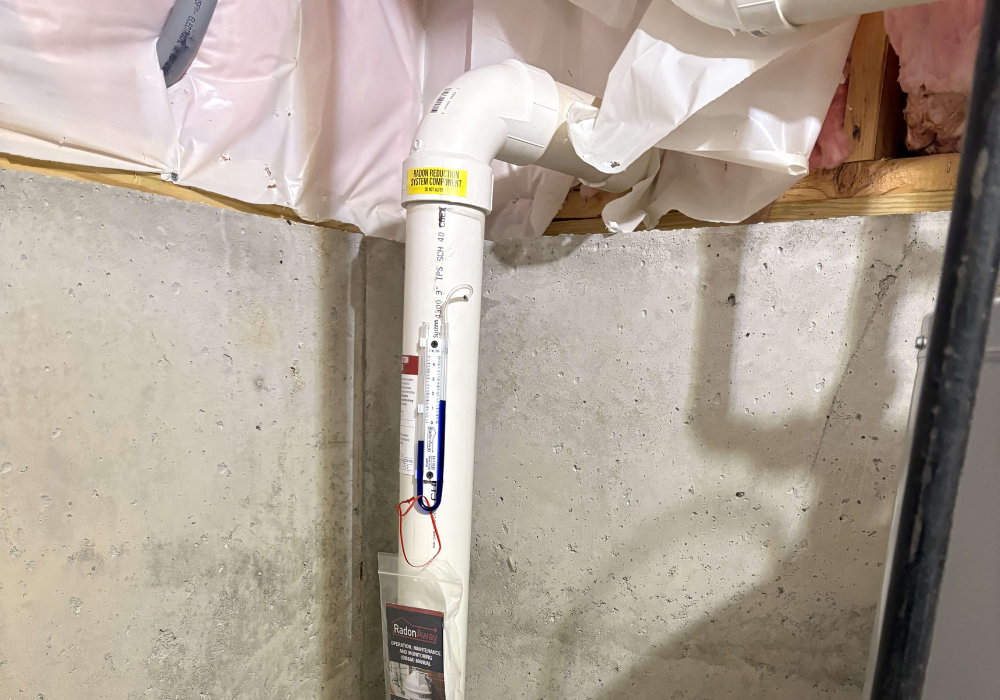
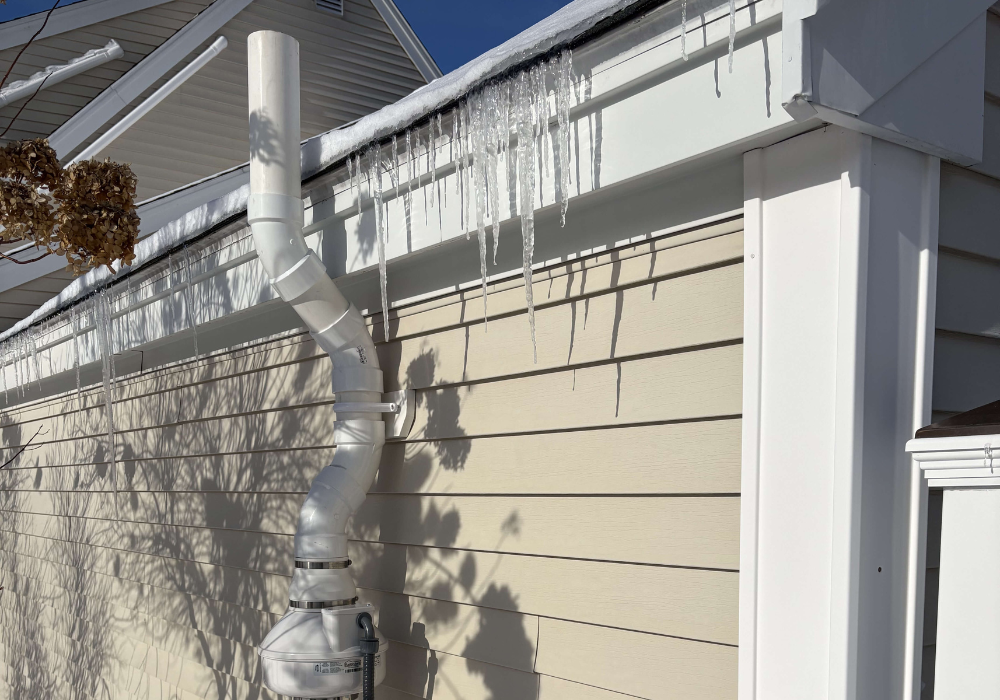
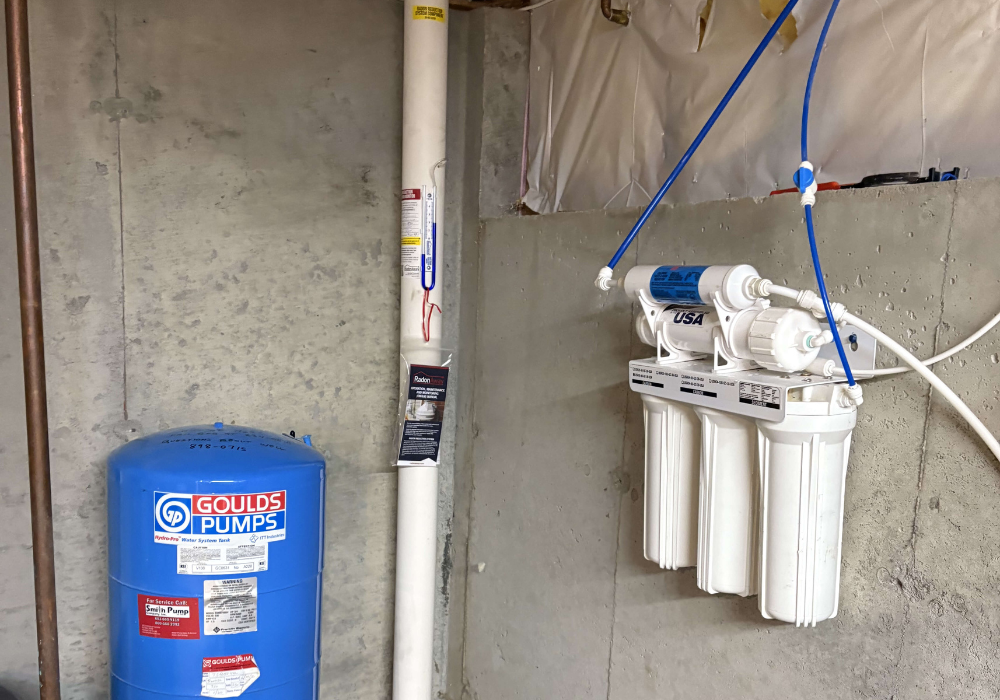
- Sub-slab depressurization: A system that uses pipes and fans to vent radon gas from beneath the foundation to the outside.
- Sealing cracks and openings: Reduces the pathways for radon entry, though it’s not a standalone solution.
- Improving ventilation: Increases air exchange to dilute radon concentrations.
It’s essential to consult with a certified radon mitigation professional to determine the most effective solution for your home.
Can radon be prevented in new construction?
Yes, incorporating radon-resistant features during the construction of new homes can effectively prevent radon entry. Techniques include:
- Gas-permeable layer: Placed beneath the foundation to allow soil gases to move freely.
- Plastic sheeting: Installed over the gas-permeable layer to prevent radon from entering the home.
- Vent pipe system: Channels radon from beneath the house to above the roofline.
- Sealing and caulking: Seals all openings in the concrete foundation floor.
Implementing these measures during construction is cost-effective and helps ensure a safe living environment.
Your Go-To Source for Safe Environmental Solutions
Our Commitment to Excellence
Our commitment to excellence is reflected not just in the quality of our work but in the peace of mind we provide to each client. Licensed, certified, and insured, Household Environmental is your go-to source for environmental safety and health solutions.
Is radon only a concern in certain areas?
Radon can be found in homes in all 50 states. While certain areas have higher average radon levels, elevated radon can be present in any home, regardless of location. Testing is essential to determine radon levels in your specific home.
How often should I test my home for radon?
Homes should be tested for radon every two years, or after any major renovations or changes to the building structure. Regular testing ensures that radon levels remain low and your home stays safe.
Where can I find more information or assistance?
For more information or to schedule professional radon services, contact Household Environmental at (866) 867-2366. Our certified team provides comprehensive radon testing and mitigation services to ensure your home is safe from radon exposure.
Helping You Recover
Contact Us for Professional Radon Services Today!
Get Your FREE Estimate:
