Understanding Raw Sewage Cleanup Health Risks and When to Hire a Pro
Finding sewage in a basement, bathroom, or crawl space is one of those moments where your stomach drops. It’s messy, it smells awful, and it’s hard to know what’s actually dangerous versus just unpleasant. The truth is that raw sewage cleanup isn’t just a “gross” job. It can be a real health risk if it’s handled improperly.
In this guide, we’ll break down the most common health risks from raw sewage, what to do right away, and the clearest signs it’s time to bring in a professional team to make your home safe again.
Why raw sewage is a serious health hazard
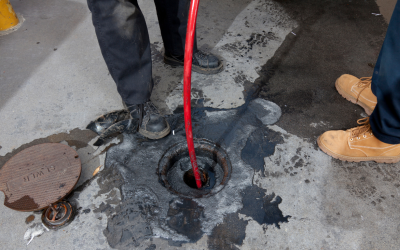
Wastewater can contain microorganisms, including bacteria and viruses, as well as harmful pathogens and toxic chemicals. These substances can spread quickly via a sewer line backup or even an overflowing toilet. This spread occurs not only through physical contact but also through airborne particulates.
Cleaning up raw sewage can be more dangerous than it seems because some health risks are invisible. Bacteria can hide in places like carpet padding, floor cracks, drywall, and ventilation systems, even when there’s no water left.
Exposure may occur through:
- Skin contact (especially through cuts or irritated skin)
- Ingestion (hand-to-mouth contact, contaminated surfaces)
- Inhalation (aerosols, disturbed residue, lingering odors)
Raw sewage cleanup health risks: what can happen
Not everyone gets sick from a sewage backup, but the risk is real. This is especially true for kids, seniors, and people with asthma, allergies, or weak immune systems. Symptoms can show up quickly or take a day or two.
Short-term illness and irritation
After exposure, people might feel nauseated. They could also vomit or have diarrhea. Stomach cramps, fever, headache, and fatigue may also be observed. Sewage can irritate. Irritation of the eyes, nose, and mouth can occur. This can happen regardless of whether the individual becomes infected.
Respiratory concerns and lingering contamination
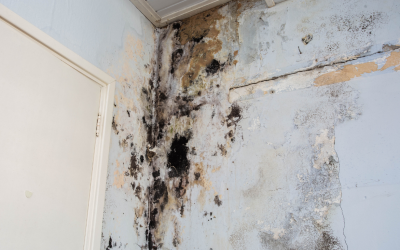
When sewage seeps into building materials, it can create conditions that allow mold to become a secondary problem. That’s where Mold Testing and Mold Remediation may be needed after the initial cleanup, especially if drying is delayed or hidden moisture remains.
Cross-contamination throughout the home
One of the biggest risks is spreading contamination by accident, tracking through the house on shoes, moving wet items through clean areas, or trying to shampoo a carpet affected by sewage. Once contamination spreads, cleanup becomes more extensive and more expensive.
What to do immediately after a sewage backup (safe first steps)
When sewage is found, it is important to prioritize safety and containment before considering cleanup. One hour of precautionary action can save from hours of trouble in the future.
Practical steps that help right away:
- Keep people and pets out of the affected area.
- Shut off electricity to the area if water is near outlets, cords, or appliances.
- Stop the source if possible (for example, stop using plumbing fixtures and contact a plumber if there’s an active backup).
- Avoid fans that blow across contaminated water. They can spread aerosols. Ventilate carefully if you can open windows without spreading odors into other rooms.
- Don’t attempt carpet cleaning or wet-vacuuming on sewage-contaminated materials unless you’re trained and equipped for biohazards.
If the incident involves more than a very small, contained area, it’s usually time to start thinking beyond DIY and toward professional Raw Sewage Cleanup.
When DIY is risky: clear signs you should hire a pro
Many homeowners want to handle things themselves, and for minor clean-water spills, that can be reasonable. Sewage is different. Here are situations where hiring a professional is the safer, smarter choice.
The water touched porous materials.
If sewage contacts carpet, carpet pad, upholstered items, drywall, insulation, or wood framing, contamination can soak in. Professional teams can evaluate what can be safely restored and what must be removed, and they have the appropriate disinfection approach for biohazard conditions.
This is also where other services may come into play. For example, Carpet Cleaning is great for routine maintenance, but sewage-impacted carpet often requires specialized handling and, in many cases, removal and disposal rather than cleaning.
The affected area is large or hard to access
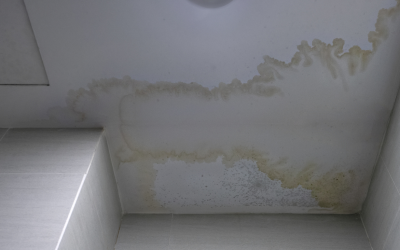
Basements, crawl spaces, and floor drains can hide sewage under stored items, behind finished walls, or beneath flooring. If you can’t see the full extent, you can’t truly clean it. A professional Water Damage Restoration approach, applied at sewage-level safety, helps address moisture and contamination together.
You notice strong odors that don’t go away.
Odor is more than a nuisance. Persistent smells can indicate residue left behind in cracks, subfloors, or wall cavities. Smoke Odor Removal is often associated with fire events. However, the main idea is clear: odors need special methods. Air fresheners won’t work. If sewage odor lingers after “cleaning,” it’s a sign the job wasn’t fully resolved.
Anyone in the home is experiencing symptoms.
If household members develop stomach illness, headaches, or respiratory irritation after a backup, stop cleanup efforts and consider professional help. It’s not worth guessing whether the environment is safe.
The incident involves hazardous or traumatic contamination.
Sewage backups sometimes overlap with other high-risk situations. If there’s visible blood, bodily fluids, or other potentially infectious material, professional Biohazard Cleanup is the right call. In more extreme cases, Crime Scene Cleanup may be needed when contamination is related to a traumatic event. These situations require specific training, protective equipment, and disposal procedures.
How professional raw sewage cleanup actually solves the problem
Hiring a professional isn’t just about speed. It’s also about protecting your health and avoiding future problems. A good response usually involves containment, removal, cleaning, disinfection, and drying.
Depending on the situation, professional Raw Sewage Cleanup may involve:
- Containment to prevent cross-contamination in clean areas
- Removal of unsalvageable materials (like saturated pad, damaged drywall, or contaminated debris)
- Thorough cleaning and disinfection of affected surfaces
- Moisture control to reduce the chance of mold growth
- Post-cleanup evaluation to confirm the area is safe and stable
If the backup caused more damage, like warped floors or soaked items, Water Damage Restoration can help. It will fix the space and make it usable again.
Preventing the “second wave”: mold, indoor air, and testing
The environment is not yet clean due to sewage removal. Building materials that get wet can grow mold, but the moisture can linger far longer than most people think.
If you’re unsure whether the area has fully dried or if you notice a musty smell weeks later, Mold Testing can help clarify what’s happening. If mold is confirmed, Mold Remediation addresses the problem at the source rather than masking it.
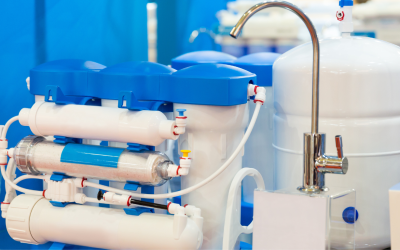
It’s also a good reminder that home health isn’t only about emergencies. Ongoing environmental services like Radon Testing, Radon Mitigation, Radon Water Filtration, and Radon New Construction can reduce long-term exposure risks in many homes. Likewise, Water Testing can identify issues that aren’t obvious from taste or smell, and systems such as Water Filtration Systems, Water Softener Systems, Reverse Osmosis Systems, and PFAS Filtration Systems can help improve water quality depending on your results and needs.
An actionable checklist: deciding what to do next
If you’re standing in the middle of a sewage incident, use this quick checklist to decide your next step.
Small, contained overflow that didn’t reach the carpet or drywall can be cleaned safely. Proceed with caution. Prioritize PPE and disinfect thoroughly.
- Any contact with porous materials, hidden spaces, or HVAC pathways: hire a professional for Raw Sewage Cleanup.
- Strong lingering odor after attempted cleaning: stop and get a professional evaluation.
- Symptoms in the household after exposure: avoid the area and bring in a pro.
- Visible biohazard concerns: request Biohazard Cleanup (and Crime Scene Cleanup when applicable).
Raw sewage is a home issue where “good enough” cleaning can still leave behind health risks. If you have a sewage backup, focus on safety first. Avoid touching contaminated areas, keep people and pets away, and do your best not to spread the mess to other parts of the home.
This is not only about making the place seem clean. It is about restoring the safety of your house for you to feel comfortable. Professional sewage cleaning removes contaminants. It dries wet areas and lowers bacteria levels. This service also reduces bad smells and hidden damage.
At Household Environmental, we help homeowners handle serious cleanup issues safely and properly. If you are dealing with a sewage backup or are unsure how bad the damage is, contact us for help.
To stay updated with us, please follow our Instagram page.