When Is the Right Time for Sewage Cleanup in Derry After a Backup
A sewage backup is a problem homeowners dread. It’s messy and stressful, often occurring unexpectedly. If wastewater appears in your basement or bathroom, you need to act quickly.
Sewage cleanup in Derry should start as soon as possible. The longer contaminated water stays in your home, the greater the risk to your health and property.
At Household Environmental, we help homeowners manage these situations. A sewage backup may feel overwhelming, but knowing what’s happening and when to call professionals can make it easier to handle.
What Causes Sewage Backups in Homes
Clogged or Blocked Sewer Lines
Sewage backups often occur when a sewer line becomes clogged. Over time, grease, paper, and debris build up in pipes.
Many items that people flush or wash down the drain do not break down as expected. Eventually, this blockage stops wastewater from flowing normally. When pressure builds, water can back up through drains, toilets, or basement floor drains.
Tree Root Intrusion
Tree roots grow toward moisture, making sewer lines attractive targets. Roots can enter small cracks in underground pipes and grow inside them.
As they expand, they block the pipe and restrict water flow. It can lead to sudden backups in the home.
Heavy Rain or Stormwater Overflow
Heavy rain can overwhelm municipal sewer systems. When this happens, wastewater may flow back into residential plumbing.
Homes with basements often experience this first since lower drains sit closest to the sewer line.
Aging or Damaged Pipes
Older homes often have sewer pipes made from materials that weaken over time. Pipes may crack, shift, or collapse due to soil movement or aging.
When pipes weaken, they can block or leak, increasing the risk of a backup.
Signs You Need Sewage Cleanup Immediately
Standing Contaminated Water
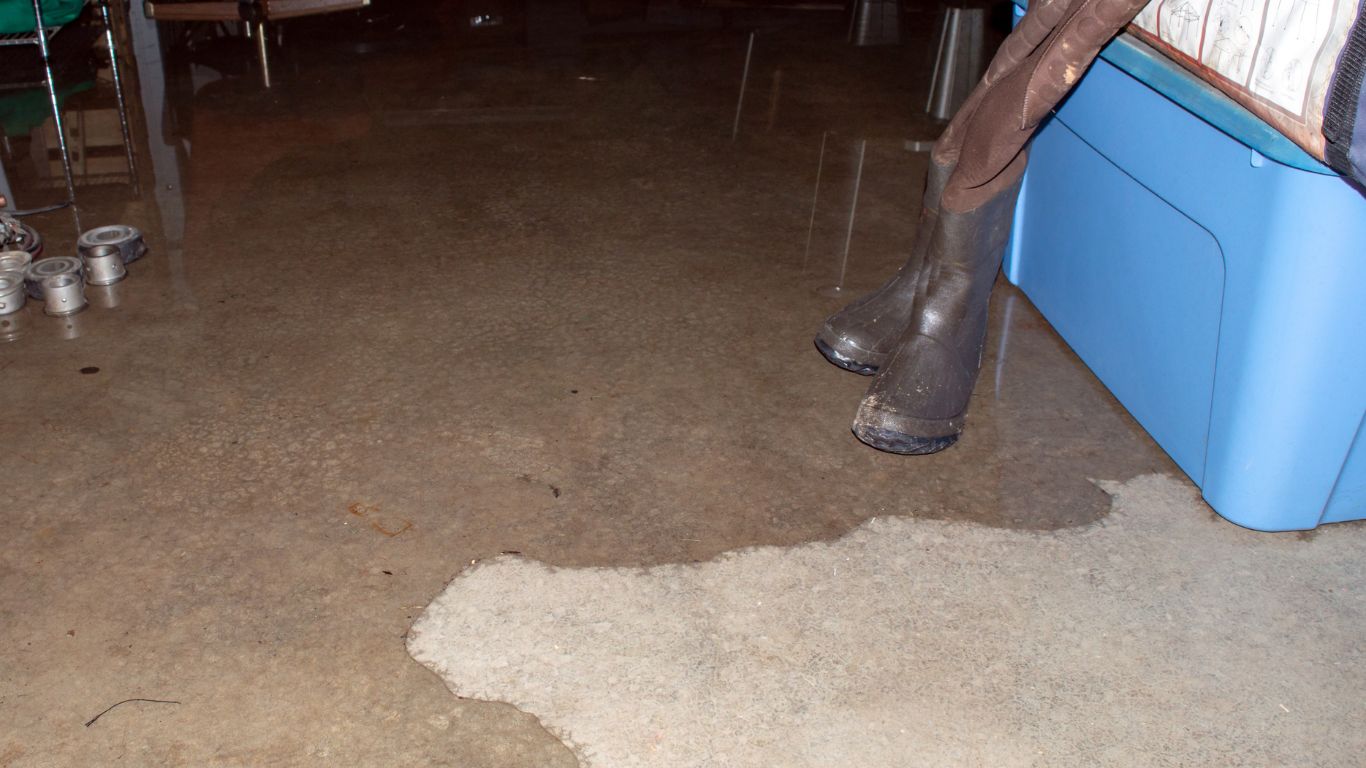
The clearest sign you need sewage cleanup in Derry is visible wastewater in your home.
If you see dirty water pooling around drains, toilets, or basement floors, act quickly. Sewage water contains harmful bacteria that can spread through contact.
Strong and Persistent Odors
Sewage has a strong smell that most recognize immediately. If an odor lingers in your home even after cleaning, contaminated water may still be present.
Professional cleanup can find the source and safely eliminate the smell.
Slow Drains or Multiple Drain Backups
If several drains in your house start draining slowly, it may signal a larger issue with the sewer line. A gurgling toilet, a slow-draining sink, or water backing up into a tub can indicate a developing sewage backup.
Visible Contamination on Floors or Walls
Sewage contamination creates stains that spread across floors, baseboards, and walls. The contamination spreads through materials that include carpet and drywall.
Sewage cleanup in Derry removes all contaminants from the site. This process protects the area from suffering additional harm.
Why Timing Matters After a Sewage Backup
Rapid Bacterial Growth
Sewage water contains bacteria that multiply quickly in warm areas. The contamination levels increase significantly within hours after the initial contamination.
The rapid cleanup process establishes a safe environment that protects the health of all individuals.
Structural Damage to Building Materials
Water does not stay on the surface for long. It quickly soaks into wood, drywall, insulation, and flooring. As materials absorb moisture, they weaken and may need replacement. A prompt response limits water spread.
Increased Risk of Mold Growth
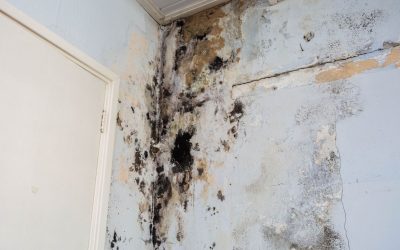
Moisture from a sewage backup creates ideal conditions for mold. Mold starts developing within 1 to 2 days if dampness persists. Early sewage cleanup in Derry helps prevent mold and simplifies the restoration process.
What Professional Sewage Cleanup Includes
Containment and Safety Measures
The first step professionals take is securing the area. Technicians wear protective gear to prevent contaminated water from spreading to clean areas.
Removal of Contaminated Materials
Some materials absorb sewage, and restoration professionals cannot safely restore them. You may need to remove carpet, insulation, and some drywall to eliminate contamination.
Professionals assess what they can save and what they should replace.
Deep Cleaning and Disinfection
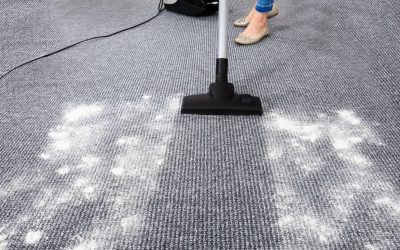
Technicians take out contaminated materials. Then, they clean the surfaces. They use commercial cleaners and special tools. It eliminates bacteria that standard cleaners can’t handle.
Drying and Odor Elimination
After cleaning, drying equipment removes moisture from the air and nearby materials. Air filtration and deodorizing treatments help restore comfort in the home.
How Professional Cleanup Helps Protect Your Home
Preventing Long-Term Health Risks
Professional cleanup ensures the team properly removes harmful bacteria and contaminants. It protects your household from potential illness or exposure to dangerous pathogens.
Protecting Structural Integrity
Untreated sewage damage causes structural damage to the floors, walls, and foundations of buildings. The structures need proper drying and restoration work to maintain their current condition and prevent future repairs.
Restoring Indoor Air Quality
Odors and airborne contaminants can linger after a sewage backup. Professional equipment removes these particles and helps restore healthy indoor air.
At Household Environmental, we help homeowners get back to a safe and comfy space after surprises. When a sewage backup occurs, quick action and the right approach make a big difference.
Take Action Quickly After a Sewage Backup
A sewage backup is not something homeowners should handle on their own. Contaminated water spreads quickly and can affect health and property.
If you notice signs of a backup, call professionals for sewage cleanup in Derry as soon as possible. It can help limit damage and speed recovery.
The team at Household Environmental understands how stressful these situations can feel. With the right cleanup process and attention to detail, homes can return to normal faster than expected.
To stay updated with us, please follow our Instagram page.