Prevent Mold with Water Damage Restoration in Barrington, NH
A pipe starts dripping, the basement floor gets slick, or a washer starts to spill, and suddenly the day feels off. You wipe up the mess, turn on a fan, and for a bit it looks normal again. Dry to the touch, but is it really dry? Moisture can hang around under the floors and behind the walls for days. Even after the surface looks fine, the dampness may still be there.
Professional water damage restoration in Barrington, NH helps find and remove that remaining moisture before it leads to mold growth and more serious property damage down the road.
At Household Environmental, we know water damage isn’t always obvious. Understanding where moisture hides and how proper drying works can help you make better decisions after a leak or flood.
Why Water Damage Can Quickly Lead to Mold
Mold Loves Damp Materials
Mold grows when it has moisture and organic matter. The problem is that many items in a typical home already have both. Drywall, wood, carpet, insulation, and other porous materials can absorb water quickly.
When moisture soaks into these materials, wiping the top layer won’t fix the real issue. Mold may start once the area stays wet for a while. That is why drying fast matters after any water damage.
Hidden Moisture Creates Hidden Problems
Water can go farther in a home than most people expect. A small leak near the kitchen sink is a good example. It can slip into cabinets. It can move along the floor. Then it can slide into the wall behind them, before they even notice.
In the basement, water may work its way under flooring. It can also slide into lower parts of drywall. In some cases, it stays hidden for a while, so it does not look like an active problem.
A spot can feel dry on top, but moisture can still sit underneath a floorboard or within the wall. You cannot always see it, even when you check.
Because of that, water damage restoration in Barrington, NH is not just about a fast look around. It uses the right methods to find hidden moisture in areas that are easy to miss if you rely only on sight and touch.
New Hampshire Weather Doesn’t Always Help
New England homes deal with changing conditions year-round. Heavy rain, humid summer weather, melting snow, and frozen pipes can all contribute to unwanted moisture.
You can’t control the weather, but you can act quickly when water gets where it shouldn’t.
Signs Water Damage May Be Creating a Mold Problem
Persistent Musty Odors
That earthy, musty smell in a basement or spare room deserves attention. Sometimes, odor provides the first clue that moisture has collected somewhere you can’t see.
If the smell remains after cleaning and airing out the space, check the area more carefully for hidden moisture. Look for signs you might miss at first.
Water Stains and Discoloration
Water usually shows up in quiet ways first. Sometimes you only notice it after the damage has started. Look for signs like these:
- Brown or yellow stains on the ceiling that seem to grow over time
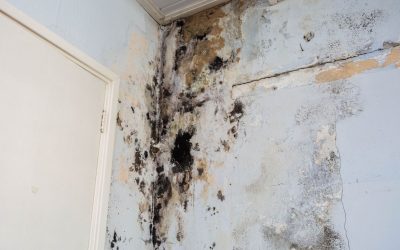
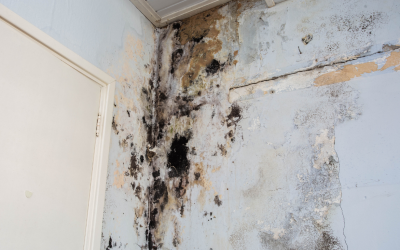
- Mold or mildew dark spots on walls, especially by corners
- Peeling or bubbling paint in certain spots
- Discolored flooring that wasn’t there before
- Wet patches around cabinets or along baseboards that keep staying damp
A stain that looks like it has been there a long time can still mean water is leaking now. So don’t tell yourself the issue is over just because the area feels dry right now.
Warped Floors or Soft Drywall
If water gets into wood flooring, it can buckle or warp. Drywall may soften, swell, or even crumble. Baseboards may pull away and separate from the wall over time.
These changes suggest that materials have absorbed enough moisture to affect their condition.
How Water Damage Restoration in Barrington, NH Helps Prevent Mold
Finding the Full Extent of the Damage
Good restoration starts with figuring out where the water actually went. Professionals inspect the visible damage and check nearby materials for hidden moisture.
Moisture meters and other specialized tools can help technicians identify damp areas that aren’t obvious from the surface. This creates a more accurate picture of the problem.
Removing Standing Water Quickly
When standing water remains inside a home, floors, walls, and furniture continue absorbing it. Removing that water quickly helps limit how far the damage spreads.
Professional extraction equipment can remove large amounts of water much faster than towels, buckets, or a household wet vacuum.
Drying and Dehumidifying the Space
Removing standing water is only the beginning. Water damage restoration in Barrington, NH also requires thorough drying.
Restoration teams may use air movers and dehumidifiers to pull moisture from building materials and indoor air. Technicians monitor moisture levels throughout the process, so they don’t have to guess when an area has dried.
Cleaning Affected Areas
Depending on the source and extent of the water, affected surfaces may also need cleaning. Some damaged porous materials may need to be removed if they can’t dry or return to a safe condition.
At Household Environmental, we focus on addressing the moisture problem itself, not just making the room look dry again.
What Happens When Water Damage Sits Too Long?
Mold Can Spread
A small moisture problem doesn’t always stay small. If damp conditions continue, mold may develop and spread to nearby materials.
Once that happens, homeowners may need both water restoration and mold remediation. Acting sooner can help prevent the situation from reaching that point.
Building Materials Can Deteriorate
Water can weaken many parts of a home. Drywall may crumble, wood can swell, and insulation can lose its usefulness. Flooring may also separate or warp.
The longer these materials remain wet, the harder they may become to save.
Indoor Comfort Can Suffer
Damp environments can create musty odors and uncomfortable indoor conditions. Mold growth may also affect indoor air quality.
Proper moisture control helps keep the home comfortable while reducing the conditions that allow mold to thrive.
When Should You Call for Water Damage Restoration?
After Plumbing or Appliance Leaks
Fixing a leaking pipe stops new water from entering, but it doesn’t remove water that has already soaked into surrounding materials.
The same applies to leaking dishwashers, washing machines, refrigerators, and water heaters that can release quite a bit of water before anyone notices. If water reaches walls or flooring, have the area checked even if everything looks dry afterward and the original leak has been fixed.
After Basement Flooding
Basements can have weak airflow. That can slow natural drying in corners more than you think.
If water comes in from a storm, groundwater, a plumbing leak, or a sump pump issue, it may spread behind walls. It can also reach stored items and the floor in other areas. It may not stay only where the water first entered.
Professional drying can uncover moisture that a basic cleanup may miss, especially beneath flooring or along the bottom of walls.
When Materials Stay Damp
If carpet, drywall, wood, or other materials still feel damp to the touch a while after you’ve cleaned up the visible water, that’s a good reason to seek help instead of waiting for them to dry on their own with just a fan or open window.
Professional water damage restoration in Barrington, NH can determine how much moisture remains and what comes next.
Why Professional Drying Makes a Difference
Household Fans Have Limits
A few fans can help dry a small surface spill, but they can’t tell you what’s happening under the flooring or inside the walls.
Restoration professionals combine drying equipment with moisture readings to track progress. This makes it easier to address the entire affected area, not just what you can see.
Early Action May Save Materials
The sooner drying begins, the better the chance of limiting secondary damage. In some situations, quick action can help preserve materials that might otherwise require replacement.
That’s good for your home, and it can make the recovery process less disruptive.
Keep Mold From Becoming the Next Problem
Getting rid of the water you can see right away feels like a win. Still, the dampness you cannot spot is often just as important, or maybe more. Moist areas behind wall sections, under floors, or around other coverings can stay hidden for a long time. If you find those wet spots and dry them out early, a minor water issue is less likely to become a bigger mold problem later.
Household Environmental provides water damage restoration in Barrington, NH, and helps homeowners understand what their property needs after leaks, flooding, and other water emergencies. If something doesn’t seem fully dry, professionals can take a closer look, provide answers, and help protect your home.
To stay updated with us, please follow our Instagram page.