Hire Water Damage Restoration Pros in Candia Before Fall Storms
In New Hampshire, fall quickly shifts to heavy rain and strong winds. These conditions test how well your home seals against the elements.
Be alert for early warning signs like:
- dampness on the basement floor,
- bubbles in the paint on the ceiling, or
- standing water near the furnace.
These issues can signal a potential leak that may lead to costly repairs.
If this happens, it can ease stress to know who to call for water damage restoration in Candia.
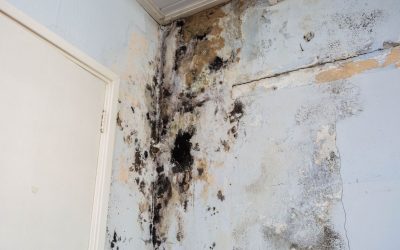
Minor leaks often cause more damage than major floods, yet they rarely make the news. A small leak behind a vanity can cause damage. Overflowing gutters can do the same. Condensation on a supply line may harm your framing, too. This can lead to toxic mold long before anyone notices. At Household Environmental, we help homeowners see what happens when water gets in. We explain the effects clearly. We also show how to prevent bigger repairs down the line.
Why Fall Storms Can Create Water Damage Problems
Heavy Rain Can Overwhelm Your Home
Fall storms can drop a lot of rain in a short amount of time. When the ground becomes saturated, water has fewer places to go. This can stress your foundation and increase the risk of leaks or basement flooding.
Basements and lower levels are often the first areas affected. Water may collect around:
- Foundation walls
- Basement floors
- Storage areas
- Sump pump systems
- Crawl spaces
Even a small amount of water can cause trouble if it sits long enough. Even a small puddle of standing water can seep into nearby sheetrock. It can swell the subfloor and damage stored items. You might not see the leak’s source until it’s too late.
Wind Damage Can Lead to Roof Leaks
Strong autumn winds can loosen shingles, harm your gutters, or drop branches on your roof. Damage may be clear at first. But sometimes, you won’t see any signs until you notice water coming through a tiny opening.
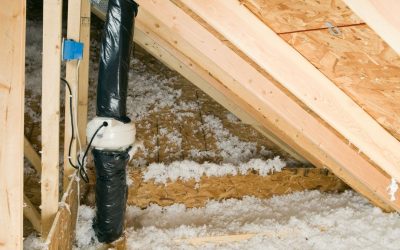
Water can enter your attic. It may seep behind the drywall or collect in the ceiling. Sometimes, insulation absorbs it first. Then, it becomes visible as a roof leak. Inspect your home for signs of roof leaks after bad weather. This can help you catch problems early.
Wet Ground Can Increase Flood Risks
After several rainy days in a row, the soil near your home can hold more water than usual. If your yard does not drain properly, that extra moisture may move toward your foundation.
Homes that have dealt with past leaks may be more vulnerable during another storm. Fix small issues now. This can help prevent bigger problems later, especially as fall weather worsens.
Why It Helps to Prepare Before Storm Season
Small Problems Can Become Bigger Repairs
A small leak may not seem urgent, especially if you only notice a little water. Hidden moisture can harm building materials and lead to mold growth.
Getting a professional opinion early can help. It can show whether a bigger issue is causing the visible damage.
Knowing Who to Call Saves Time
Water emergencies rarely happen at a convenient time. They usually occur when you’re busy, tired, or already dealing with a stressful situation.
Having a plan before a storm hits saves time. You won’t waste time looking for help when your home needs urgent care.
Protecting Your Belongings Matters
Quick action can make a difference for your personal items and home materials.
The sooner you address water, the better your chances of reducing unnecessary damage.
What Happens During Professional Water Damage Restoration?
Finding Where the Water Went
Cleaning up visible water is only part of the job. Water can travel under flooring, behind walls, and into hard-to-see areas.
In Candia, water damage restoration experts check the affected areas. They use moisture detection tools to see where water has spread. This helps create a more complete plan for drying and repairs.
Removing Standing Water
If water remains in your home, it keeps affecting nearby materials. Professional extraction equipment removes water quicker than towels, fans, or regular household tools.
Removing water quickly can help limit damage to flooring, walls, and personal belongings.
Drying the Home Properly
A room may look dry while moisture remains inside building materials. That’s why drying is such an important part of restoration.
Professionals use equipment like air movers and dehumidifiers to reduce moisture levels. They also monitor progress to ensure affected areas actually dry, not just appear dry.
Cleaning and Repairing Damaged Areas
After water removal and drying, some areas may need cleaning or repairs. This may involve treating surfaces. It could also mean removing damaged materials or restoring parts of the home. It all depends on the situation.
The goal is to help your home return to a safe and comfortable condition.
Signs Your Home May Need Water Damage Restoration
Musty Smells That Won’t Go Away
A damp or earthy smell after a leak or storm can signal a problem. Odors often come from moisture trapped in places you cannot easily see.
If the smell continues even after cleaning, it’s worth having the area checked.
Stains on Walls or Ceilings
Water often leaves behind visible clues. Keep an eye out for:
- Brown or yellow ceiling marks
- Peeling paint
- Discoloration around windows
- Water spots near plumbing fixtures
These signs may point to moisture that needs attention.
Changes in Floors or Walls
Water can affect materials throughout your home. You may notice:
- Buckling floors
- Soft drywall
- Swollen wood
- Loose trim or baseboards
These issues often mean water has reached beyond the surface.
Why DIY Cleanup Doesn’t Always Solve the Problem
Surface Drying Isn’t Always Enough
Wiping up spills with towels and box fans is fine. But when water comes in from a storm, you need professionals to help. Surface water disappears fast. Moisture stuck in wall cavities and under floors can silently rot framing and lead to mold. This can happen even when the floor seems dry.
Professional Tools Provide Better Answers
Restoration professionals use equipment designed to measure moisture and track drying progress. This removes the guesswork in deciding whether an area is truly dry.
Experience Helps Avoid More Damage
Treating water damage involves much more than simply pulling up wet padding. Floodwater can contain harmful substances. Damaged areas may also be unsafe to touch without the right gear.
A trained team knows how to approach cleanup carefully and efficiently.
How Household Environmental Helps Homeowners Recover
A sudden leak in your home is an emergency. It raises questions about repairs, timelines, and your family’s safety. At Household Environmental, we don’t just pitch our services. We guide you through every step of the restoration process. This way, you’ll always know what to expect.
Our Technicians will check the damage. They will provide a cleanup plan and carry out the Mitigation Services your property needs. You’ll receive clear, concise information. This way, you can make informed decisions without any pressure or hidden agendas.
Water damage can come from a fall storm, plumbing issues, or flooding. In Candia, water damage restoration can help lessen the damage and restore your home.
Don’t Wait Until the Next Storm Hits
Although we can’t control the weather, we can prepare for its effects. Look for leaks. Improve drainage away from buildings. Keep emergency contacts nearby. This saves time.
Storm damage can lead to mildew and rot in a home or business within hours. Household Environmental has helped Candia and nearby areas for over 20 years. They fix water damage quickly. They use special equipment for extraction and drying.
To stay updated with us, please follow our Instagram page.